

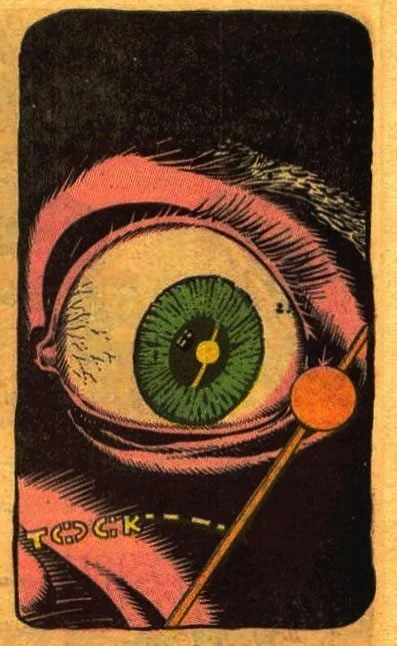
Disappointment Turns to Anger
Speaking of his film Petulia, Richard Lester said he had diagnosed a gratuitous violence in American life which came from a catastrophic sense of disillusion. He argued that the way American children are raised to believe that their country is the greatest in the world, with the standard of living that is worth having and the perfect political system (ingrained in a two hundred year old document that may be amended but never really altered) can breed unprocessable anger when life doesn’t work out for some people for reasons that may not be their fault. And if you know it’s not your fault, and it can’t be the fault of society, then where does that anger go? It builds and builds and maybe finally erupts.
Le Tempestaire
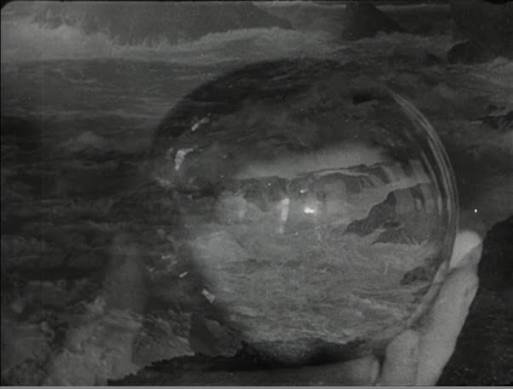
Le Tempestaire (1947) is almost enough to shake my devout atheism. Is this a film, an experiment in sonic plasticity, a séance, or some elaborate form of dialectical math — one plus one equals three? Full disclosure: painters, who speak monosyllabic caveman lingo to describe the dynamic force-field-like tension of the picture plane, raised me. Add a “blue” to a “red” and you may get “space.” “Push and pull,” the muscular rhythms resulting from colors that vie for spatial dominance. And Jean Epstein’s penultimate film mirrors the same painterly axiom of sublimated emotion; only here, the dialectic involves sonic and visual elements. Twinned movements. The sea heaves in slow motion. Throwing off well-spoken shrieks. An instrument more alive than the Theremin matches octave for brooding octave my growing apprehension as nature’s working parts are isolated and reshuffled. Everything — sound, image, time itself — decelerates. (Think E.J. Marey brought into a fully cinematic register of experience, without pause or rupture and complete with synchronous, fully dissected hubbub.) Until the grammar, syntax, and disputations of a cresting wave become movie stars. Who knows why this soundtrack qualifies as something far greater than anguished dramaturgy? The results are easier to grasp formally than ‘spiritually’.
Le Tempestaire doesn’t merely resemble an undulating graveyard — or evoke metaphorical lost souls wailing in the storm. Epstein’s plastic means are so perfectly allied that formalism itself buckles. As the music troubles the imagery and the imagery brakes to a nigh standstill, we suddenly find ourselves engulfed by spirits.
by Daniel Riccuito
The Dossier on the A Train
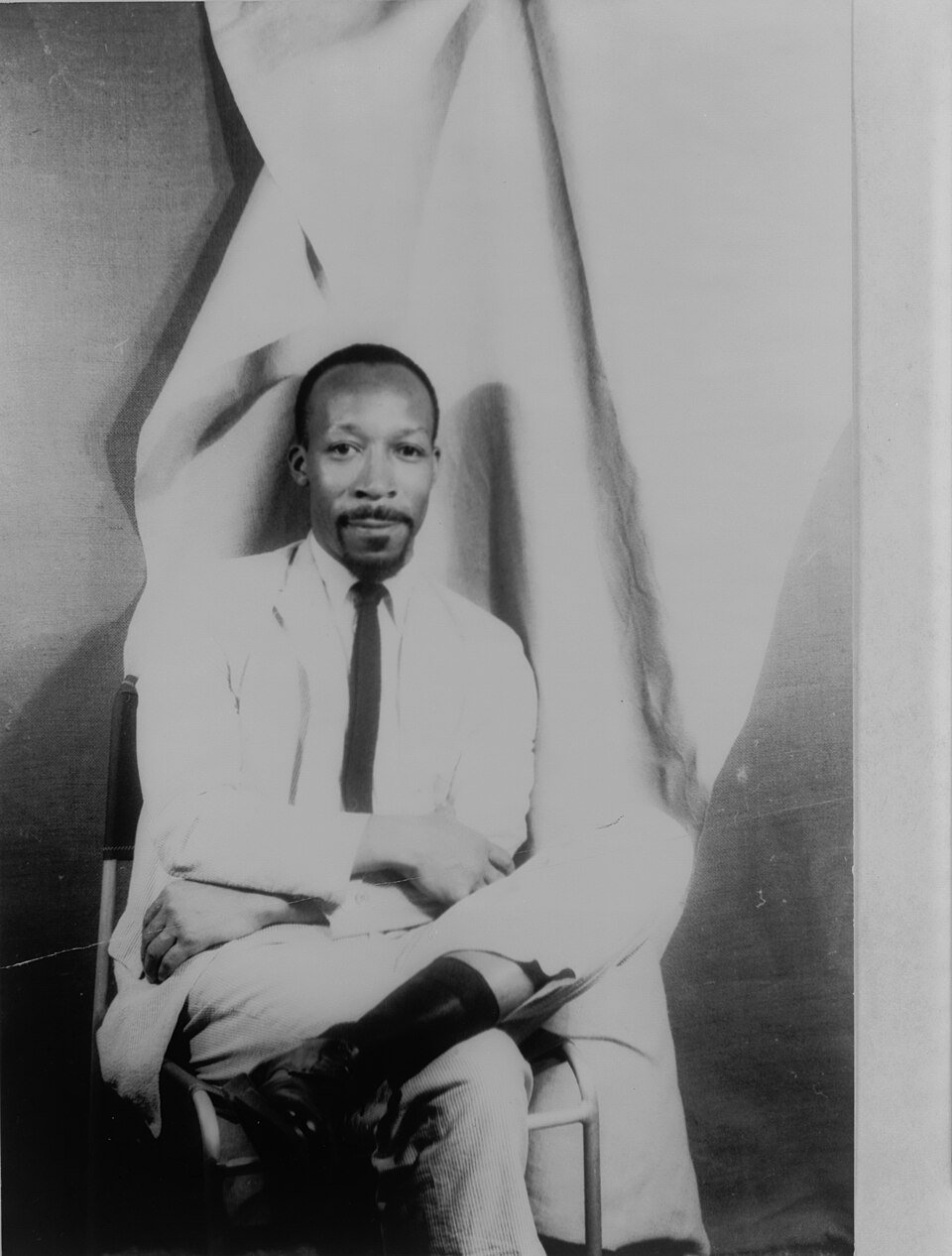
John A. Williams was born in Jackson, Mississippi in 1925, though when he was still quite young his family relocated to Syracuse, NY. He would remain in the Northeast for the rest of his life, moving to New York City after college, then to Teaneck, NJ, in 1975 where he felt the atmosphere would be a bit more tolerant of his interracial marriage. As an African-American journalist and novelist documenting the black experience in white America, he would hit the bestseller charts and win the National Book Award twice—first in 1983 for Click Song and again in 1998 for Safari West. Yet despite his status within the African-American literary community at the time, Williams (who died in 2015) is sadly forgotten today, save for the legacy of six pages which continue to reverberate, even though few would ever connect them to Williams.
The Old Bowery
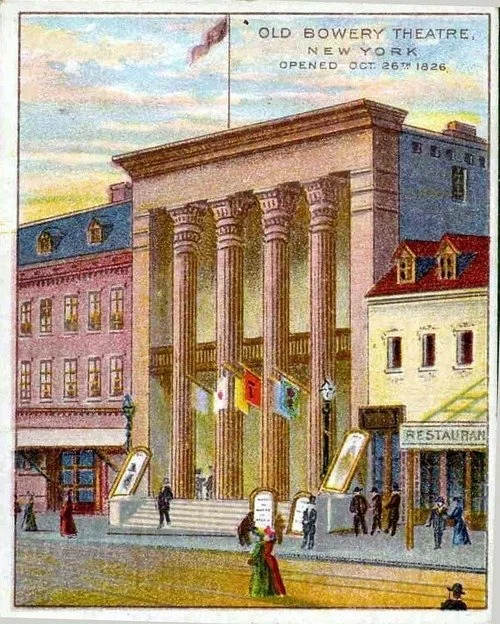
There wasn’t much professional theater in America before the Revolutionary War. A scant handful of English troupes braved the Atlantic crossing to perform in the colonies, but they did so under great duress. Colonial religious and civic leaders denounced theater as symptomatic of the Old World wickedness and frivolity they’d come to the Americas to escape. Theater was specifically associated with prostitution, as hookers had traditionally found the pickings easy in theater balconies stuffed with young males out for a good time. Preachers called theater “the Devil’s Church.” Several colonies banned all stage plays outright. Even New York, a wide open party town from its beginnings as New Amsterdam, issued a ban against “play acting and prize fighting.” As the independence movement heated up, the Sons of Liberty and other patriot groups also turned hostile to English actors with their English plays.
Besides, America wasn’t a very accessible market. In the early 1700s the entire population of the colonies didn’t amount to a million people, including slaves, from Georgia to New England. The trip from New York to Boston took three days in the best weather, and getting between New York and Philadelphia could be impossible in winter when rivers froze. All three cities had populations of under twenty thousand each in 1750, when London’s was around half a million; New York wouldn’t be that big for another hundred years.
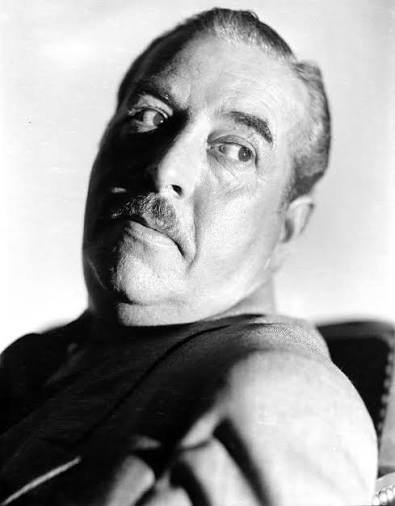
The Jowls of the Earth
Many actors – one thinks of the great Matthau at once – could earn the descriptor “hangdog,” but maybe only Walter Connolly owns it. He looks like somebody literally hanged a dog. They might have buried the word with him, since nobody else can lay claim to it so well anyway.
Connolly’s face exudes suffering. He may, at some point, have appeared on advertisements for liver pills. His very appearance is enough to trigger sympathetic gastric pangs in the viewer. Not all fat men are merry.
Yet Connolly, of his screen persona, was not without his peculiar form of glee. He used words nimbly, suggesting an inner ballerina who could cavort on point only verbally. And his smile, when it appeared, caused awe: how much gravity had to be defied in order to tug those jowls up into a little smirk? All of it: all the gravity there is. So if that man, with that face, could hoist that much blubber skywards in the name of expressing happiness, what excuse have we?
In The League of Frightened Men, Connolly’s girth and slyness and lethargic sag are used to embody detective Nero Wolfe as effectively as a legendary detective has ever been embodied, and the movie packs in much of the charm of Rex Stout’s beloved mysteries. It sadly didn’t spawn a series, perhaps because the idea of more than one film starring Connolly alongside Lionel Stander was more than reason could bear. Stout’s two-fisted narrator Archie Goodwin is a no-nonsense guy, but one pictures him handsome. Stander reveals what such a proletarian bruiser might really be like, revelling in his cosy grossness. (First line, refusing chocolates: “No tanks, dey make me boip.”) Connolly looks like a hippopotamus’s bottom. Stander looks like a baby’s fist. Together they fight crime.
The large man laid claim to another famous detective when he starred in Father Brown, Detective (1934). G.K. Chesterton’s ecclesiastical sleuth has never quite transferred to the screen, and Connolly makes of him a twinkly Irishman the original author would not have recognized. But still, he was one of those rare character actors who can carry a movie, and on one occasion he was given the chance to play, more or less, a romantic lead.
Fifth Avenue Girl is a modest, rather neglected classic by the great comedy director Gregory La Cava. Millionaire businessman Connolly takes working girl Ginger Rogers into his home because she makes him feel alive again. His family assume she’s his mistress and that this is the beginning of a catastrophic mid-life crisis. She isn’t, and the crisis is in fact a positive development. Ginger plays it flat, almost depressive, and is magical as ever. Connolly does all the expressing of emotion that’s needed, driving his snooty wife and kids to distraction as he refuses to behave like an adult anymore. Some fat men naturally resemble babies: with Connolly, the infantile looks grotesque: his face is like melting taffy on the droop.
Though the movie concocts a speedily-delivered and reasonably satisfactory romantic sub-plot for Ginger (Tim Holt in bratty George Amberson Minafer mode), Connolly is her true leading man, and the lack of a love story between them a mere technicality. He even gets to be romantic with his wife, so he has the best of both worlds. Somehow overlooked when lists of great character players are made up and pored over, Connolly is ripe for rediscovery. There were giants on the earth.
by David Cairns

Barbara Payton: Fire Walk With Me
The James Cagney crime film Kiss Tomorrow Goodbye (1950) begins in court, where a heavy-handed prosecutor is hammering home the evil of a gang of criminals who are on trial. He starts by zeroing in on a beautiful blond with a wide, mobile face, the kind of face the camera loves. “Holiday Carleton…murderess,” the prosecutor says. The blond reacts subtly to this, her generous mouth downturned, her rather cruel-looking eyebrows drawn slightly back in apprehension. This is the face of someone who is always wondering just how much they can get away with. It is the face of Barbara Payton, a 23-year-old actress who is being given her big break in this movie, which was produced by Cagney’s brother William, who was so taken with Payton that he put her under personal contract.
There is a flashback where we see Cagney’s Ralph making an escape from a chain gang, and then a few more scenes before we come to his first major scene with Payton’s Holiday, who has been drawn into his life of crime. She is Virginia Mayo-ish physically, but there’s a large slice of Claire Trevor in her cutting, insistent voice. It’s clear that this sexy blond can act, and as Holiday yells at Ralph and defends herself, Cagney sits in a chair and reacts to Payton in that super-deep and responsive way he has when he listens extra-closely to other players. Payton’s Holiday keeps saying that she is a “good girl” who never did anything wrong before, but Cagney tells her, “It takes only once, you know,” because he has her number. He sees the devils lurking underneath her cool blond looks.
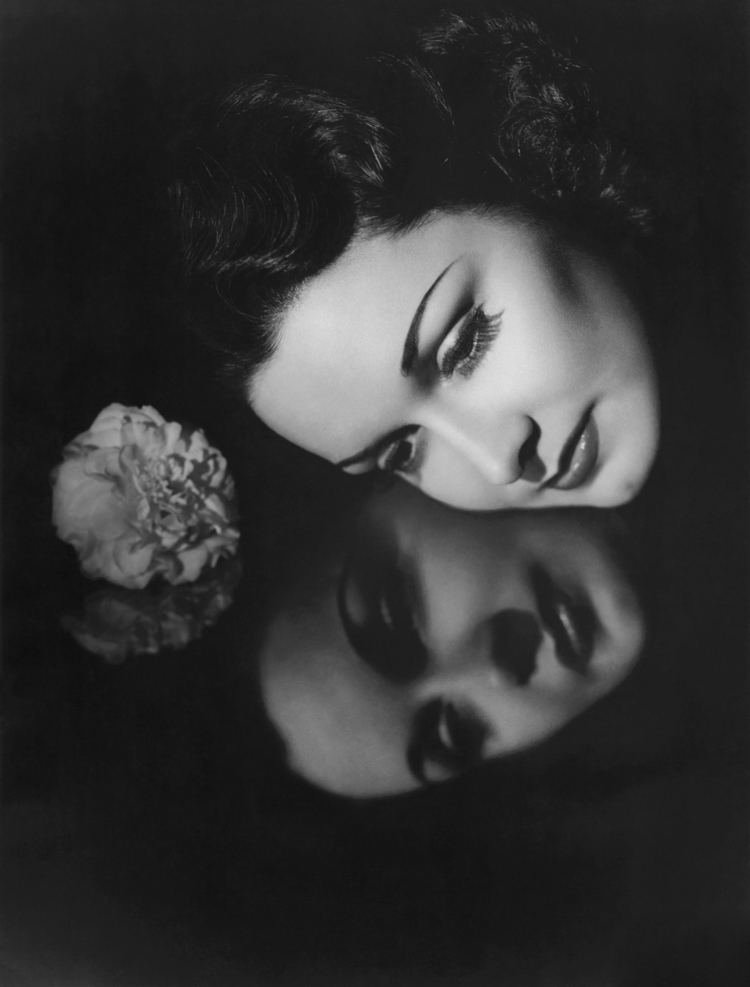
Gail Patrick: Malice Aforethought
The ultimate in resting bitch face, Gail Patrick could do more with a slight malicious smile than most actors could with the nastiest lines of dialogue. She was always sizing people up on screen, looking at them as if she could spot every weakness in their character and every humiliation they had ever suffered. Patrick knew instantly where she could stick all her knives, but the funny thing about her is that she seemed too basically cool and sedentary to really do too much damage, like a cat who stretches out and just scratches a canary before going back to sleep in the sun.
A brainy Southern girl, Patrick was born Margaret LaVelle Fitzpatrick in Birmingham, Alabama, in 1911. She graduated from Howard College and did two years of law school at the University of Alabama, saying later that she thought about running for state governor. But in 1932, for what she termed “a lark,” Patrick entered a Paramount Pictures beauty and talent contest and got the fare to Hollywood. The winner of the contest would get to be the “Panther Woman” in the Universal picture Island of Lost Souls (1932), starring Charles Laughton, and surely Patrick would have put a scare into both Laughton and co-star Bela Lugosi, but she didn’t get that part, which went to Kathleen Burke. (“It kind of ruined a career for her because nobody would take her seriously after that,” Patrick offered.)
She was presented with a standard studio contract by Paramount, but the strong-minded Patrick wouldn’t sign until her salary was raised from $50 to $75 a week and part of the contract was taken out. “I also read the fine print and blacked out the clause saying I had to do cheesecake stills,” Patrick said. “In the back of my mind I had this idea I could never go home and practice law if such stills were floating around.” She was groomed and coached until she lost her Southern accent, and then Patrick was ready to steal any scene she was in.
She made her first impact in Mitchell Leisen’s Death Takes a Holiday (1934), where she was filmed in stylish gowns and wore blond hair. Patrick is a distinct screen presence because she cannot help that “bitch” quality of hers from rising to the surface, no matter how hard she smiles or how hard she tries to be appealing in Death Takes a Holiday (much like such sisters in 1930s movie bitchery as Verree Teasdale and Genevieve Tobin). There is always something strained in her attempts at good spirits, as if she were a wicked stepsister just waiting to make some vicious remark about everyone in the cast. “I really put my all into that one,” she said. “It gave me a big career boost.”
She was a rival to Joan Crawford in No More Ladies (1935), which showed that Patrick was ready to rattle the most intimidating figures, taking in Crawford as if she can see the former chorus girl in her from a mile away. She drunkenly confesses to a dalliance with Crawford’s husband Robert Montgomery in a manner that tries for rumpled girlish candor but inevitably reads, as always with Patrick, as sheer malice. “I was hired because I towered over Joan,” she said. “She didn’t get temperamental—she simply expected blind obedience from cast and crew.”
Patrick coolly observed the “nasty” fights on the set of Mississippi (1935) between Bing Crosby and W.C. Fields and did her time in programmers before coming to the part that really set her up, Cornelia Bullock, the big bad sister to Carole Lombard’s daffy socialite Irene in My Man Godfrey (1936). Cornelia is the rich bitch incarnate, flaunting her privilege and power like a spoiled child, but with a wide streak of womanly sadism to make many of her scenes deeply unpleasant. Yet Patrick said that she was so afraid of the camera and nervous that she never saw her own films until she showed a friend My Man Godfrey in 1979. “My fright emerged as haughtiness and I can see where I got my image as a snob, a meanie,” she said. “And it’s the movie that typed me and the one I’m still asked about.”
Gregory La Cava, the director of My Man Godfrey, told Patrick to “suck on lemons and beat up little children” to prepare for her role, and maybe she was just a skeptical, smart girl scared of being in the movies, but that’s finally a little hard to believe. You don’t play Cornelia Bullock in the scathing way Patrick does without at least knowing something about inherent meanness and it uses and effects. Then again, fear has often been known to make people behave badly, and shyness can be seen as unfriendliness. “She had to be bratty, mean, demanding, and no winks to show I wasn’t really like that,” Patrick said of Cornelia.
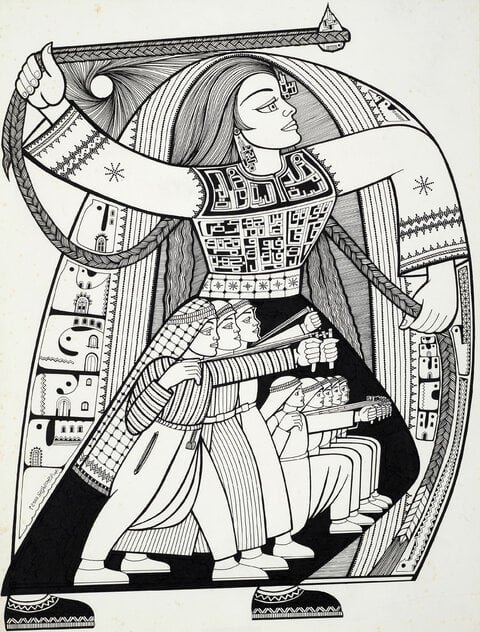
A Historic Arab Vote: Can Palestinians Disrupt Israel's Apartheid System?
The results of Israel's October 27 elections were welcomed by Palestinian Arab communities in Israel and millions of Palestinians worldwide.
Neither Israeli Prime Minister Benjamin Netanyahu's right-wing bloc nor that of his rival, former military chief Gadi Eisenkot, secured the 61 seats required to form a government. This made the 19 seats won by Arab parties all the more consequential.
In a political system structured to marginalize its Arab minority, the electoral achievement of the Joint List and Ra'am cannot be overstated. Through their relative unity and an extraordinary convergence of political circumstances, Palestinian voters have seemingly managed to beat the system at its own game.
The achievement came despite fearmongering and outright racist rhetoric by mainstream Jewish political parties, including Eisenkot himself.
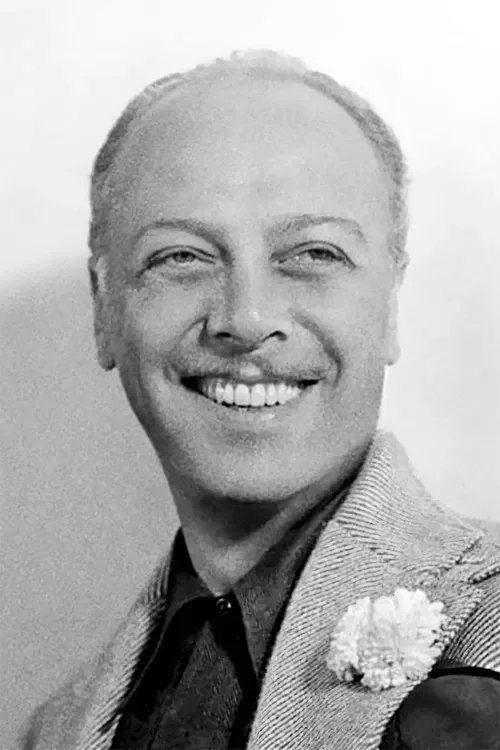
MITCHELL LEISEN: How’s About It?
Mitchell Leisen was a major American film director. He belongs in the first rank, not the second tier, where he has often been placed by those who value the scripts he was given by Preston Sturges and Billy Wilder and Charles Brackett more than what he actually did with those scripts. Leisen’s name was usually written in sloping cursive in his opening credits, and that set the mood for what he had to offer. His was a gentle style, a deliberately unobtrusive style, smooth and gliding, attentive to nuances, visual and emotional.
Minsky’s Burlesque
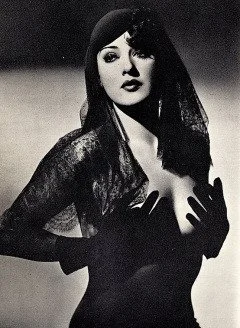
At the height of its popularity in the 1920s and ‘30s, burlesque was the poor man’s Ziegfeld’s Follies. A man of means spent upwards of five dollars, which wasn’t chicken feed in those days, to ogle the topless chorines at the Follies or George White’s Scandals, while a burlesque ticket cost the average joe seventy-five cents or a buck. One name in burlesque stood out from all the rest: Minsky’s, run by Louis Minsky’s four sons Abe, Billy, Herbert and Morton.
What Gary Allen Wrought
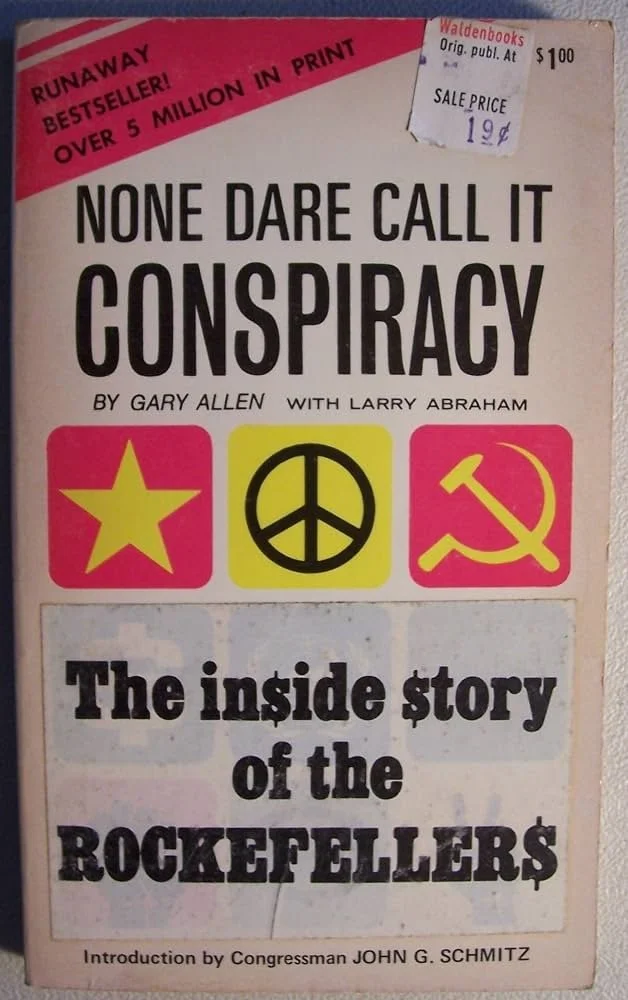
Gary Allen was fond of boasting that, being a history professor, he didn’t make anything up, that everything he was talking about was right there and freely available in the library. Anybody could have found what he did, had they been so inclined. Again being a history professor, he simply knew where to find it, and was able to piece things together in a way no one had ever done before.
Well, okay, less a professor than a one-time high school history teacher, but we’ll let it slide, as I guess it doesn’t really take away from his library research skills.
JOHNNY HORTON: Mythology as History as Country Hit
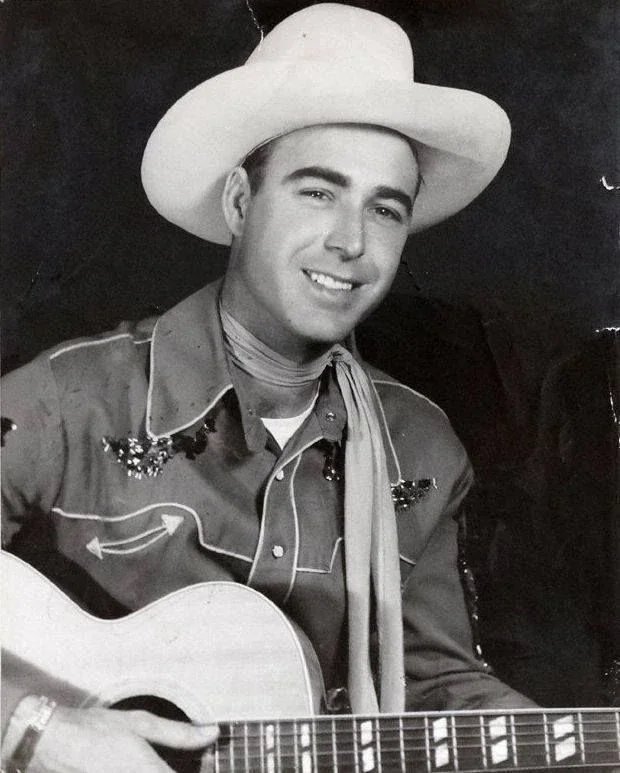
In 1953, less than a year after Hank Williams died in the back seat of a Cadillac en route to a show, his widow Billie Jean Jones married another country singer, an up-and-comer named johnny Horton. The two men couldn’t have been any more different.